Why Camp Stores Are an Untapped Revenue Engine for Glamping
When most operators think about growing revenue, they think about adding more units, raising nightly rates, or expanding amenities. Very few think about retail and I don’t blame them. Inventory overhead, storage considerations, threats of theft….there’s a lot to consider.
But over the past few years, one of the highest-leverage and most surprising profit centers in our glamping business has not been lodging at all. It has been our camp store. Which is ironic because we were set on avoiding a retail component. In fact, we tried very hard not to.
Before we entered hospitality, we spent years running United By Blue, an apparel and accessories retail brand. Multi-million-dollar brick and mortar locations, large teams, complex inventory, thin margins, enormous overhead. When we bought our first property in 2020, a small rundown motel in the Poconos Mountains of Pennsylvania, we were very clear about one thing; we were not going back into retail. And yet, that is exactly where we ended up.
The Accidental Discovery
Our first store was not a strategy. It was a necessity. We renovated an old garage and created a self-serve corner inside our first hotel, The Rex Hotel. Mostly snacks, drinks, a few essentials. No staff. No complicated point of sale. Barely any square footage.
What surprised us was not the revenue. It was the behavior.
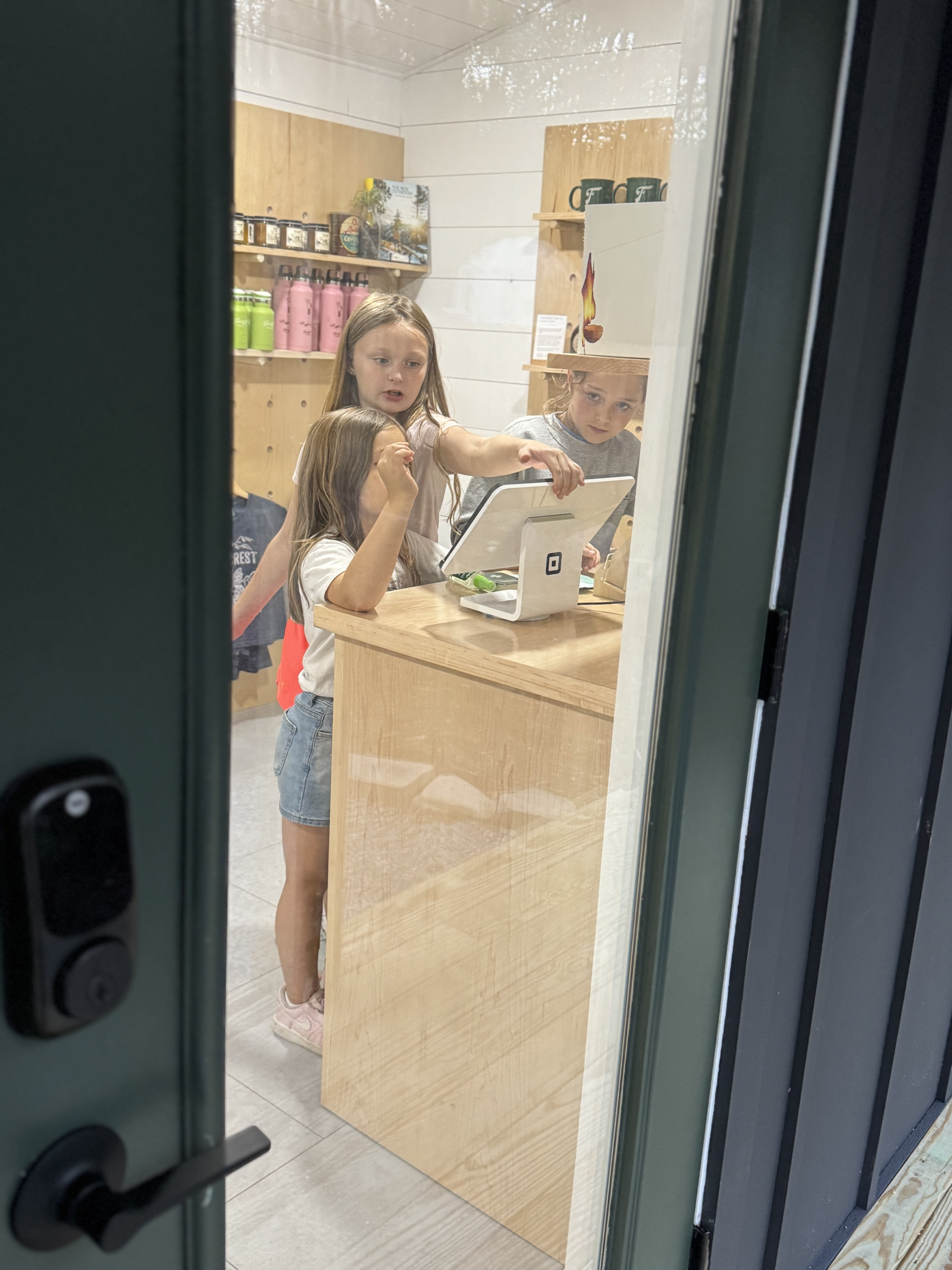
Guests did not treat it like a convenience store. They lingered. They browsed. They bought things they did not need but wanted, because they were relaxed, on vacation and already in a great mood. That was the moment we realized something important.
Hospitality retail plays by completely different rules than traditional retail. In retail, you fight for foot traffic. In hospitality, you already own it.
Every guest is on your property. Every guest passes your store. Every guest has time. You are not convincing someone to come in. You’re not spending thousands on marketing to get them to go out of their way to walk into your doors. You are simply giving them something enjoyable to discover. That single insight changed how we thought about retail inside our hospitality business.
The Power of Guaranteed Traffic
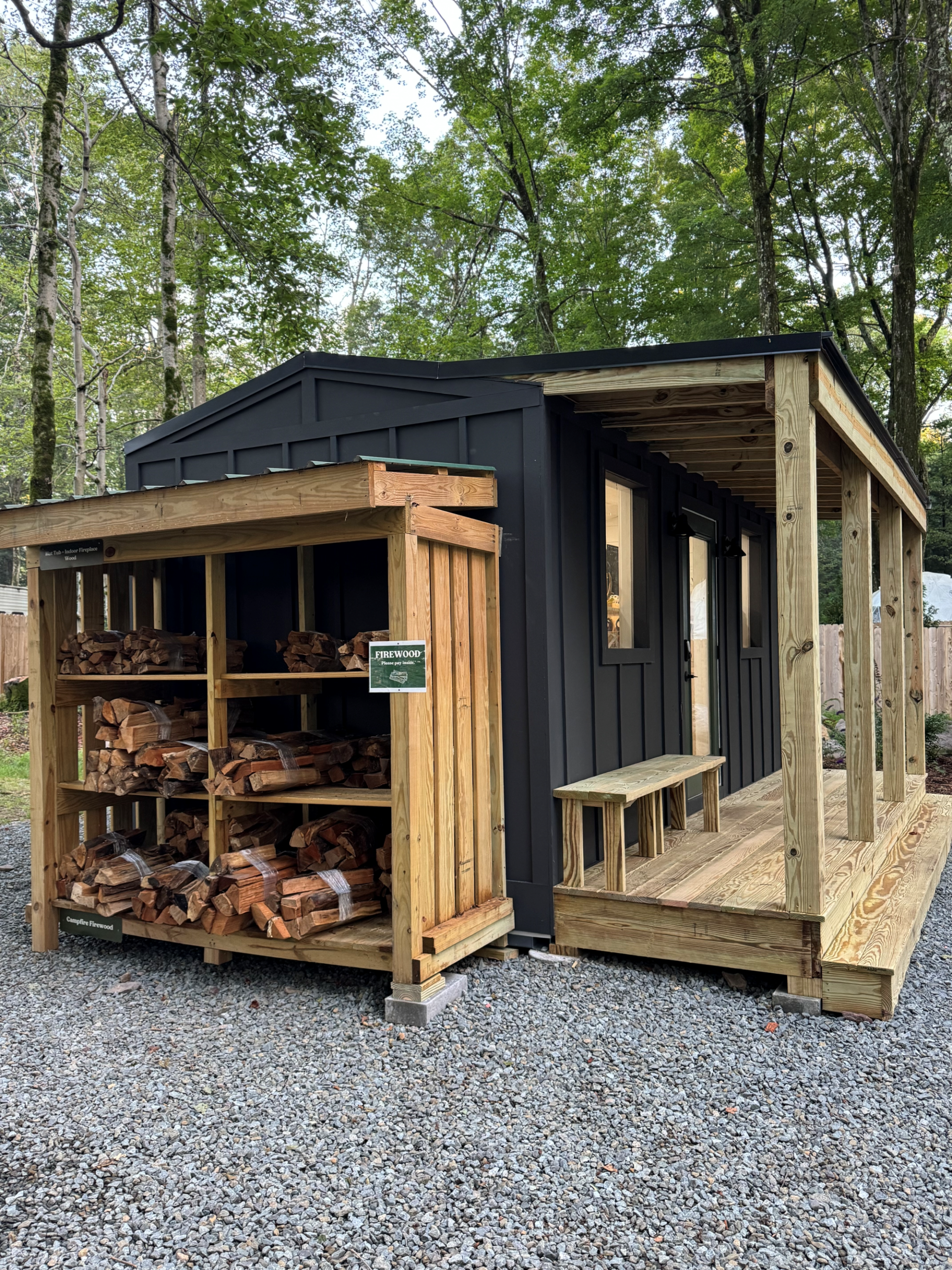
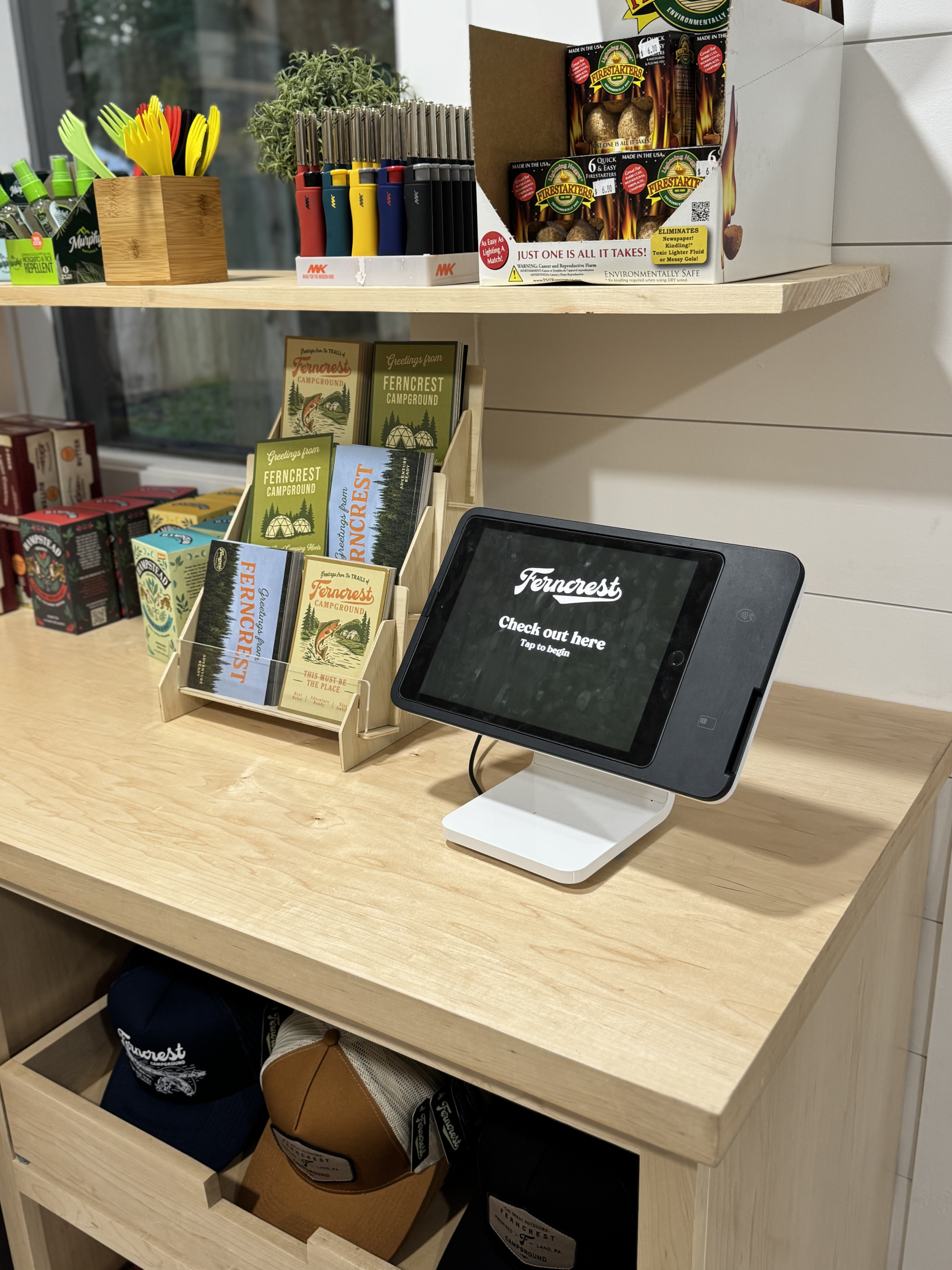
When we launched Ferncrest Campground, we built a small camp store from the beginning. It was not perfect but it was a start and it proved the model. Every single guest walked through the door. And almost all of them bought something.
In most retail stores, conversion rates of two to five percent are considered strong. At a campground, your conversion rate can approach ninety percent. Once you understand that, the economics change completely.
The store became more than a convenience. It became a revenue stream and margin enhancer. And eventually a strategic asset as we began to scale Ferncrest as a franchise brand.
The real shift happened when we stopped thinking of the camp store as a building and started thinking of it as a system.
If Ferncrest was going to become a national brand, every ancillary revenue stream had to be repeatable, predictable, simple for franchisees to operate and financially meaningful.
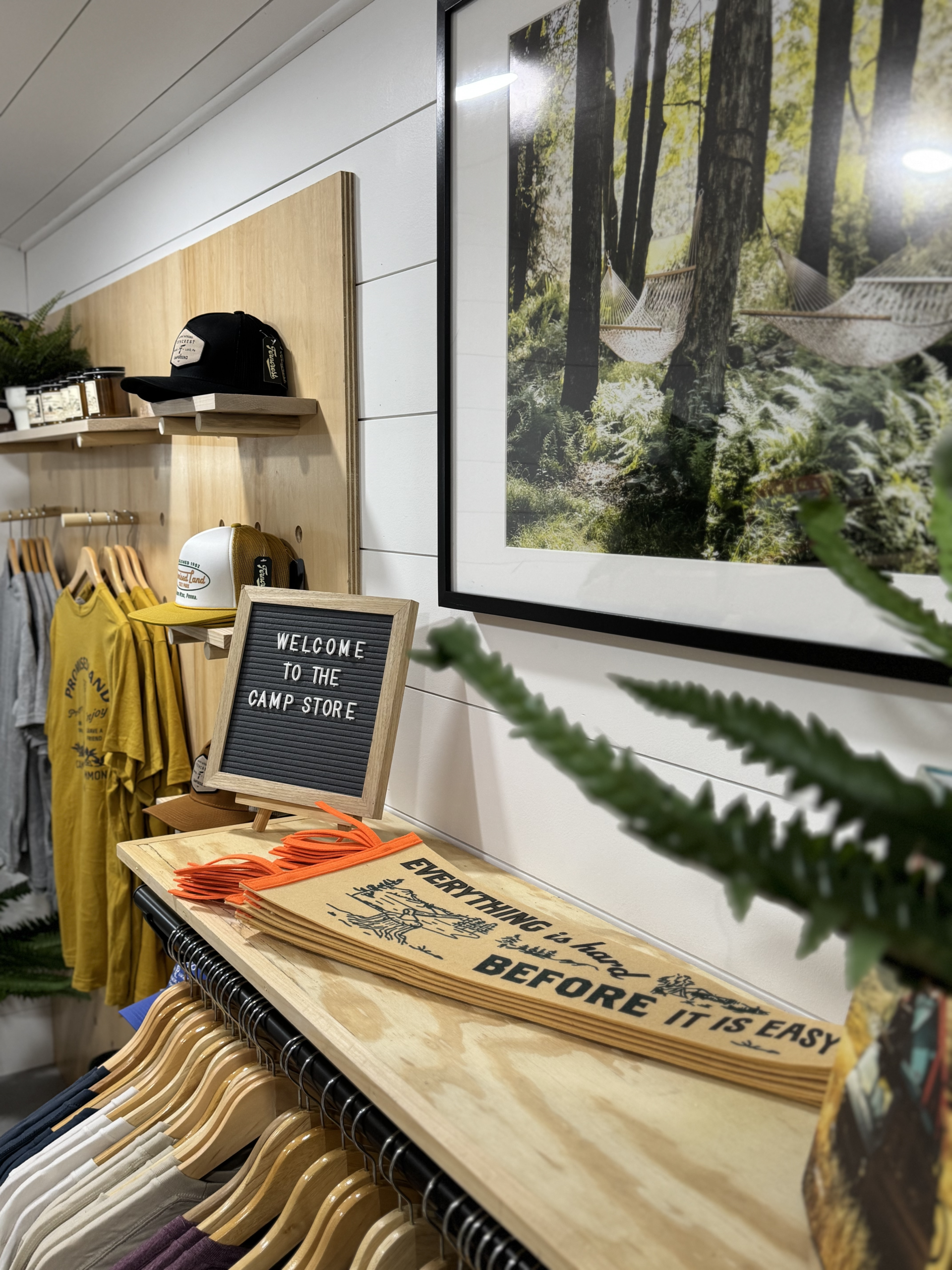
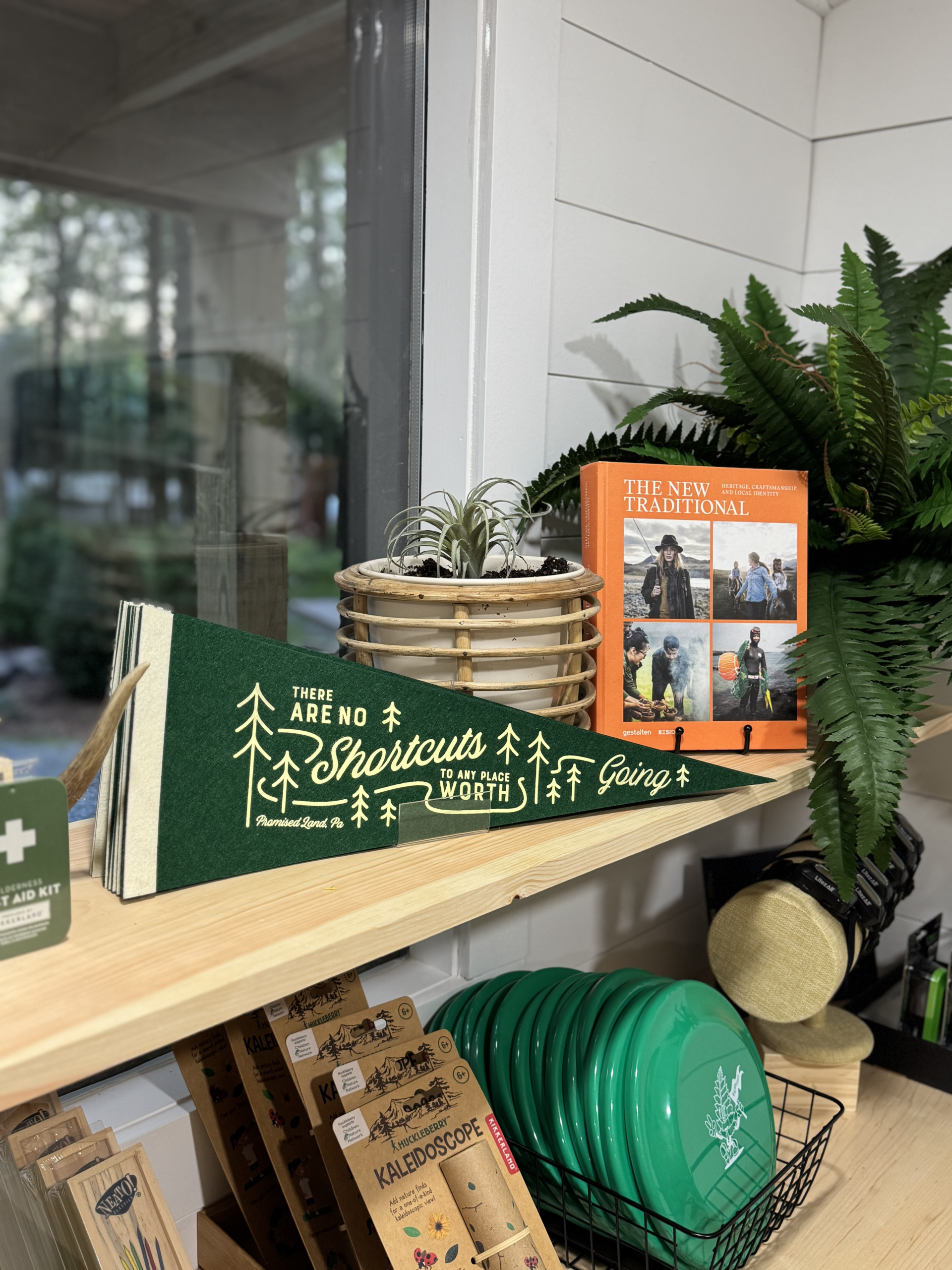
The result was a retail model that requires no dedicated staff, carries simple inventory, generates consistent per-guest spend and integrates naturally into the guest journey.
Why Camp Stores Matter More Than You Think
Most operators view the camp store as a nice extra. We see it as a strategic lever.
First, it captures revenue you are already creating. You are already paying to attract the guest. You are already delivering the experience. The store simply captures incremental dollars from an audience that is already present, already happy and already primed to spend. There are very few revenue streams with that profile.
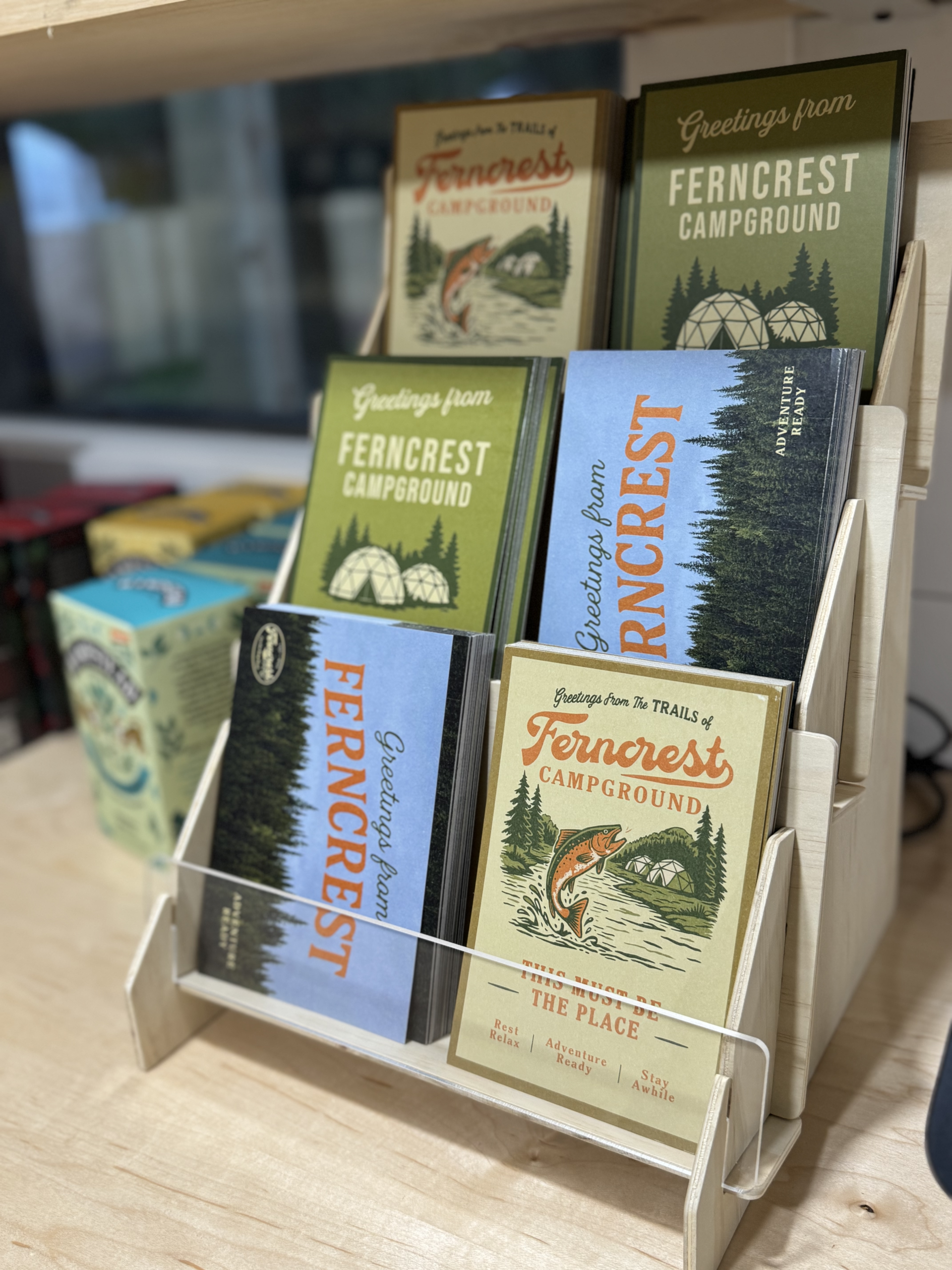
Second, it strengthens the guest experience. Retail inside hospitality is not about merchandise. It is about moments. A child choosing their first camp souvenir. A family buying s’mores before sunset. Those moments become part of the memory. And memories drive reviews, referrals and repeat stays.
Third, it improves unit economics without adding complexity. A well-run camp store can materially improve EBITDA without adding headcount, increasing operational risk, or distracting from your core lodging business. For franchise systems, this matters enormously. Ancillary revenue often determines whether a site is merely viable or truly attractive to investors.
The Bigger Lesson
Here’s the thing, the lesson is not to build a store. The lesson is that the most valuable profit centers in hospitality are hiding in plain sight.
When you stop thinking like a hotel operator and start thinking like a systems builder, you begin to see leverage everywhere. In retail. In programming. In amenities. In guest flow.
The camp store is simply one of the clearest examples. It is simple. It is scalable. And when done right, it quietly becomes one of the highest return assets on your property.
Sometimes the most powerful growth strategies are not new. They are the ones you finally decide to take seriously.
Check out this video where we share the real behind the scenes of our Camp Store:
We’re always sharing what we’re up to on our IG: https://www.instagram.com/findingpromisedland