
The Bucket List Family Turns Global Adventures Into Glamping Destinations
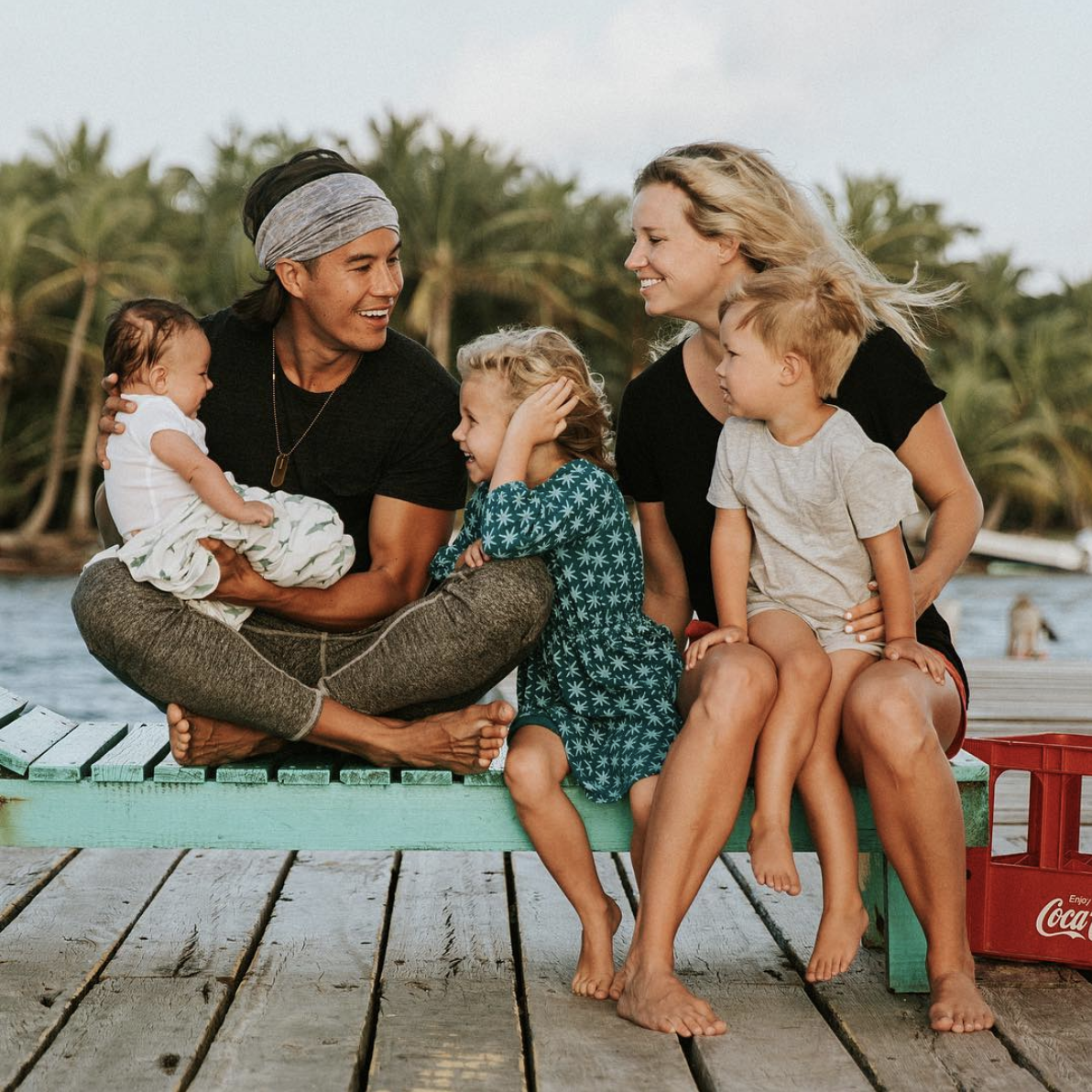
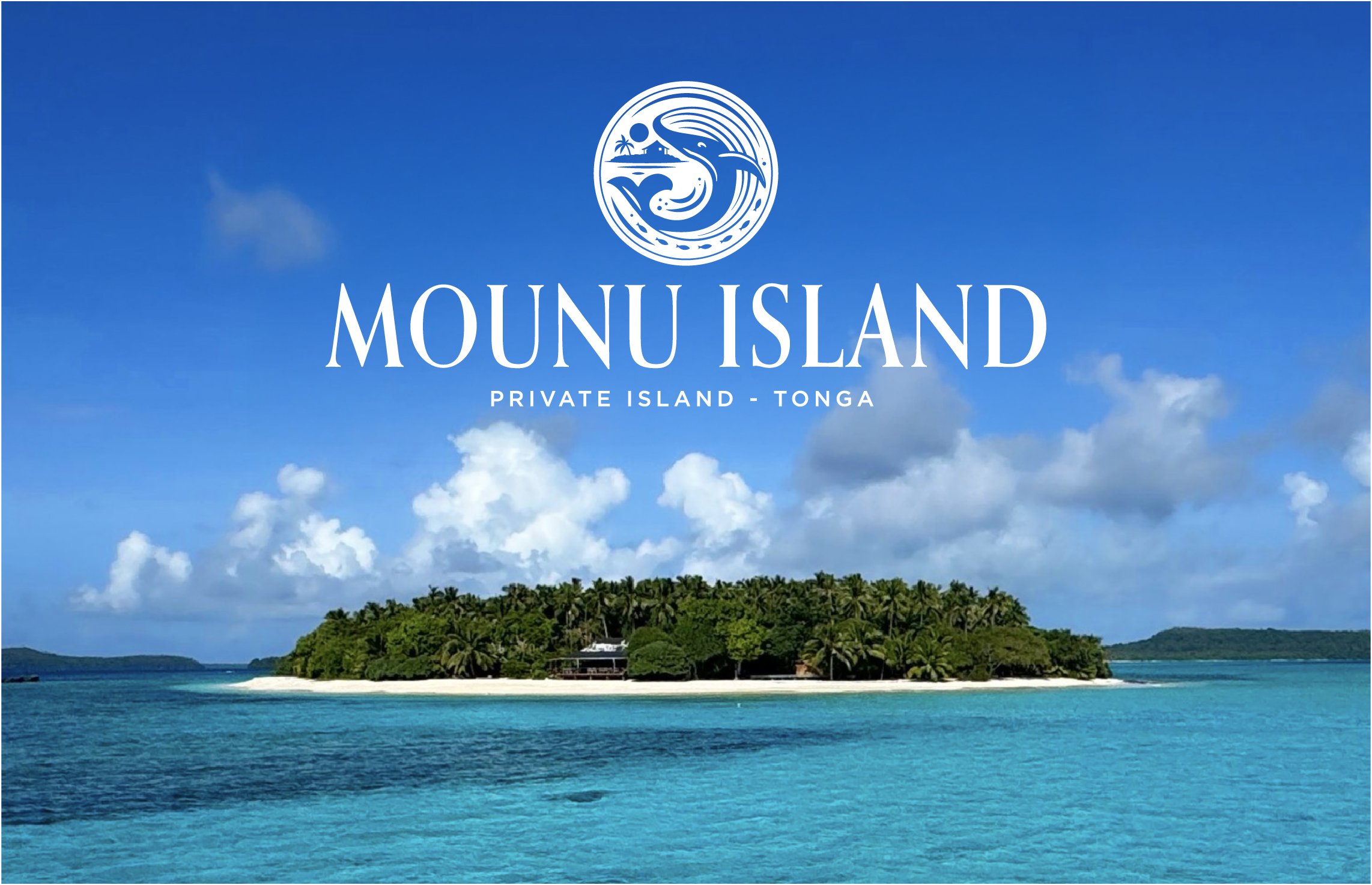
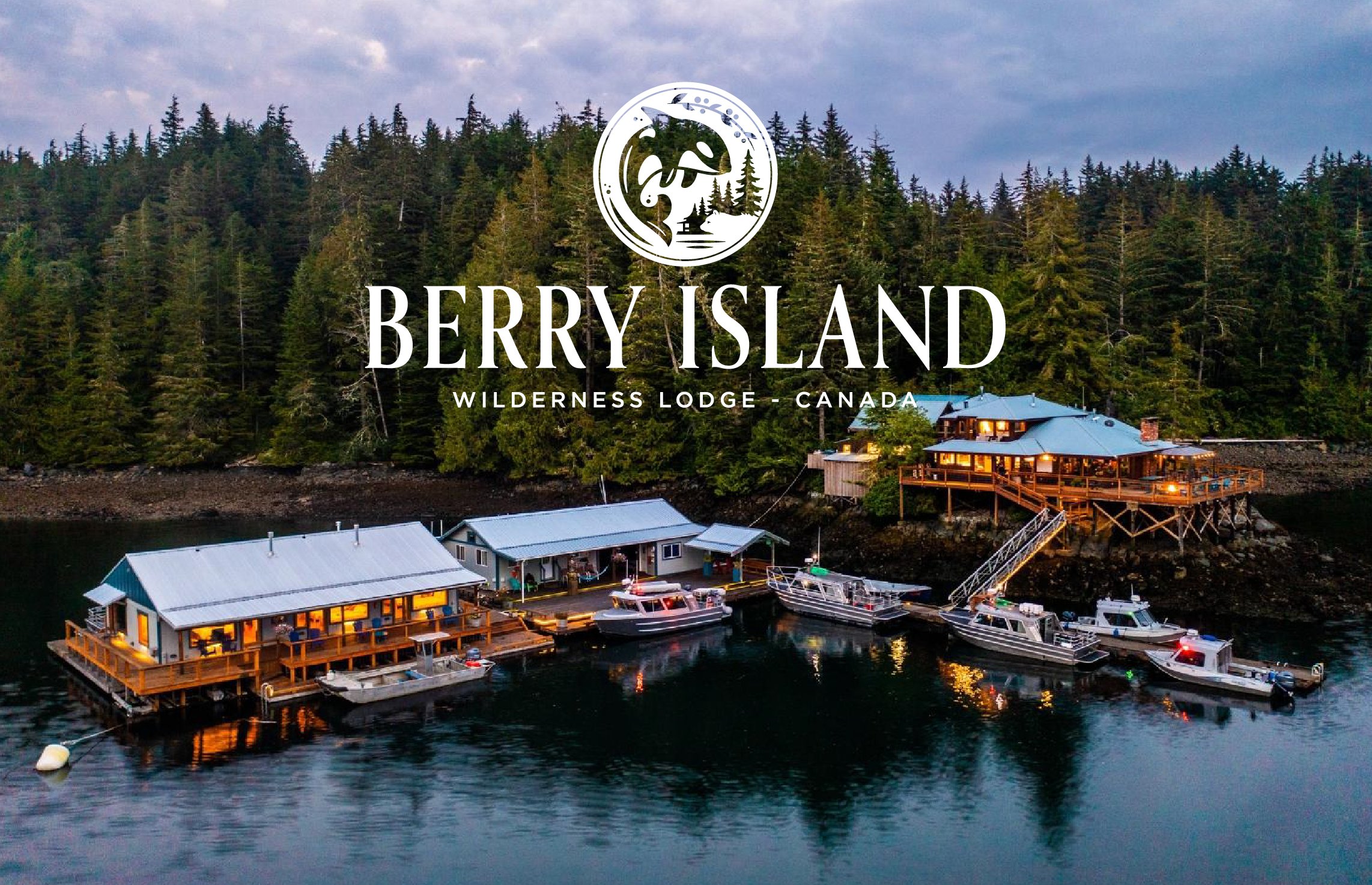
The Bucket List Family is a phenomenon with over 3 million followers on Instagram 1.49 million subscribers on YouTube. For ten years the family has been documenting its travels to incredible locations around the world to a charmed audience. Now a new adventure begins as the family launches The Bucket List Collection—outdoor-friendly lodgings in idyllic locations, starting with Berry Island Canada and Mounu Island in Tonga, so that they can share the adventure with others.
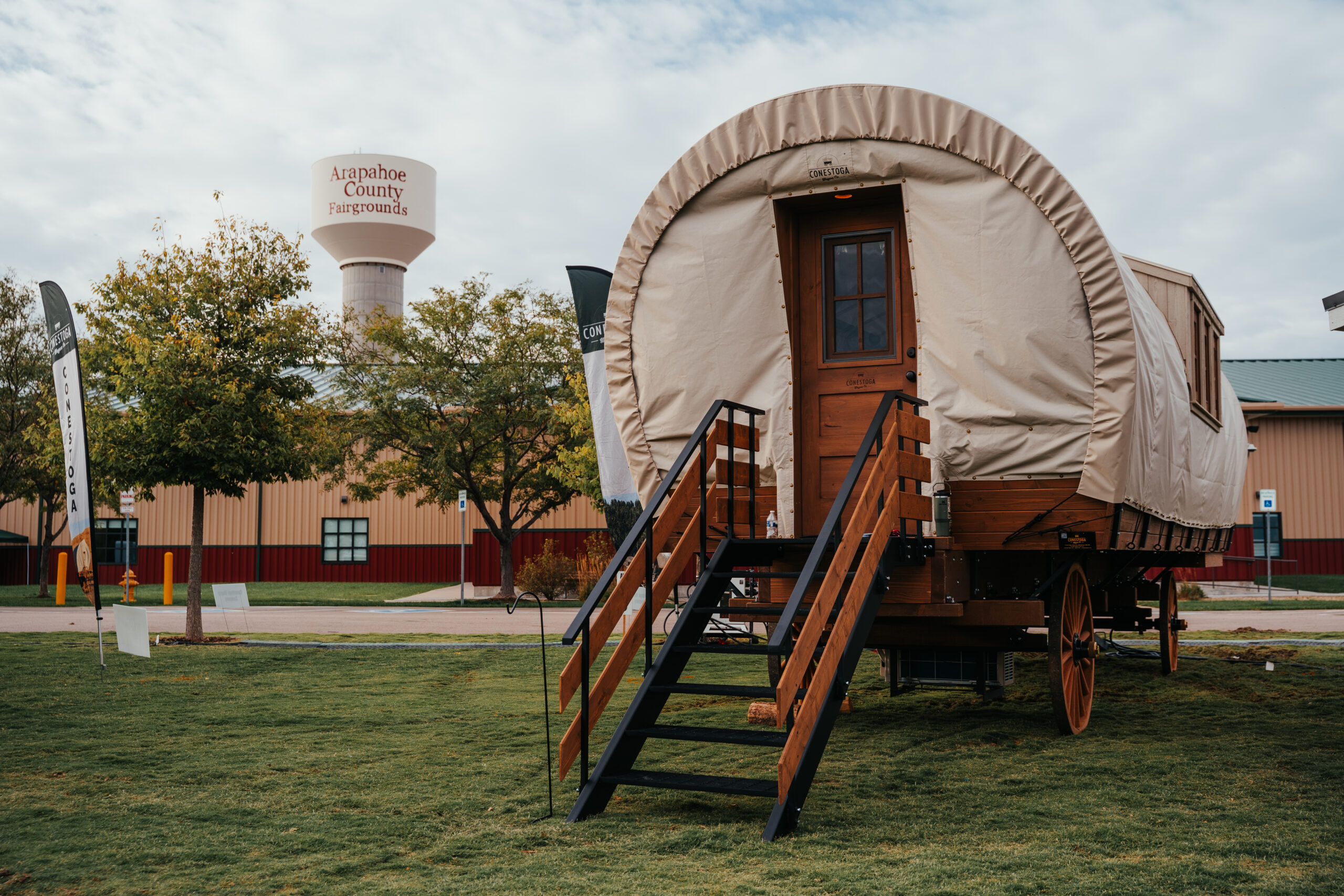
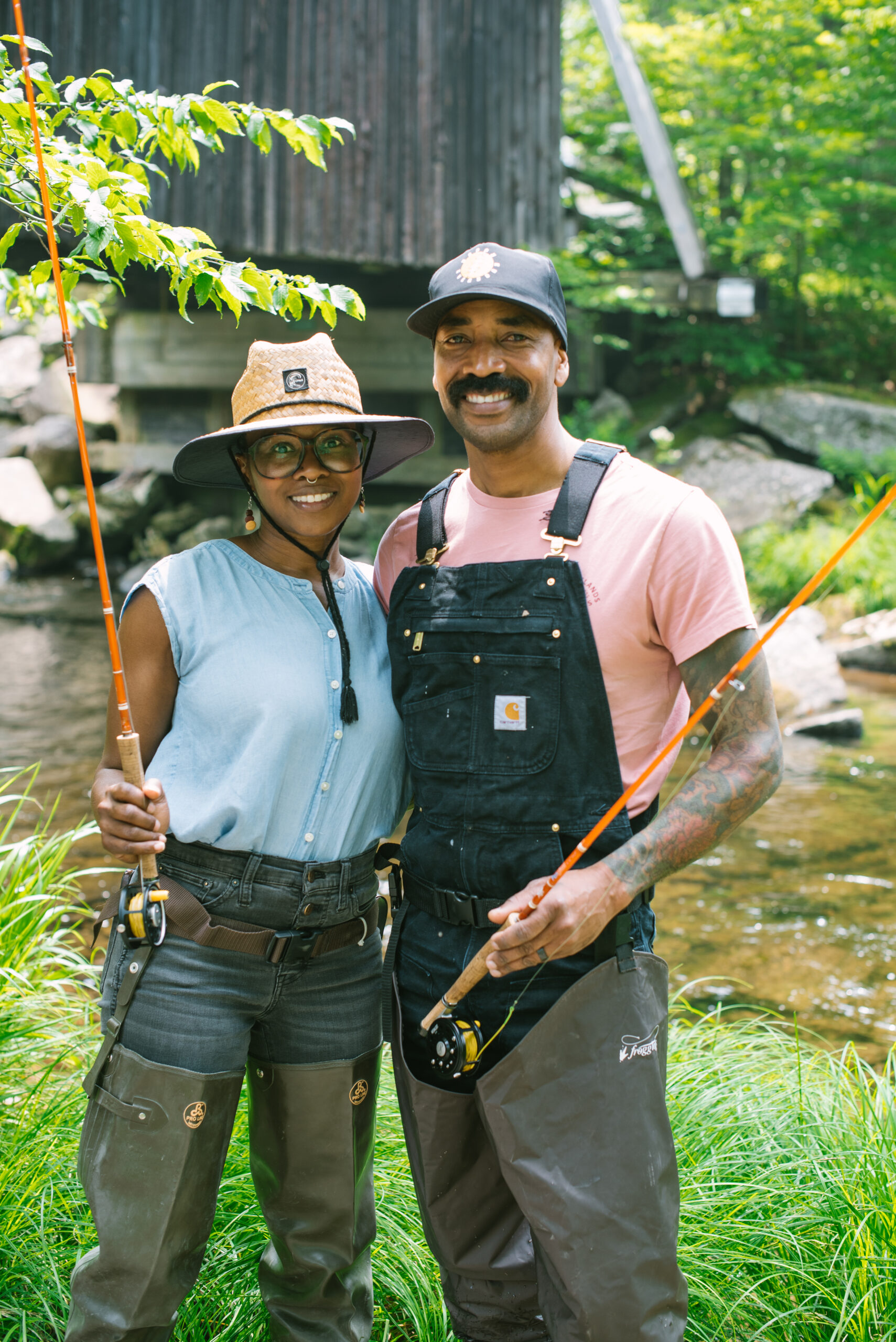
Like many others at this year’s Glamping Show Americas, Jessica and Garrett Gee and their kids Dorothy, Manilla and Calihan are at the beginning of their hosting journey, we caught up with Jessica to find out more.
How They Went from Travel Storytellers to Eco-Driven Glamping Hosts
GBA: You embarked on your global adventure in 2015 after selling everything you owned – can you share what inspired that leap and how your lives have evolved since?
Jessica: In 2015 our family was in a unique position. We had just graduated from college, and Garrett had recently sold a company. Instead of buying a house or settling down, we thought there was something we could learn from traveling. We set aside money from the acquisition, sold our cars, furniture and clothes, and put together about $45,000. That was enough for four months of travel in the South Pacific.
What was meant to be a short break turned into three years full-time and a new career. Ten years later, we’re still traveling, learning from cultures around the world and raising our kids with this lifestyle. It’s been a wild ride, and one we never could have imagined back when we first packed our bags.
GBA: With The Bucket List Collection now launching immersive resort experiences, how has your perspective shifted from travel storytelling to designing sustainable, experience-led glamping properties?
Jessica: For years, we’ve been sharing the stories of places we visited. Now, with The Bucket List Collection, we have the chance to create those stories ourselves. Our first two properties in Tonga and British Columbia are rich with history and meaning..
After visiting over 100 countries, we’ve seen the best and worst sides of tourism. Our goal is to take those lessons and design properties that are sustainable, family-friendly and deeply connected to the land and community. It’s not just about accommodation, it’s about creating experiences worth sharing.
“Heritage isn’t a feature of a resort—it’s the heart of the experience.” – Jessica Gee
GBA: Having raised Dorothy, Manilla and Calihan around the world, how did you approach balancing adventure with education and routine – especially in new resort environments?
Jessica: Our kids go to school full-time in Hawaii, so we travel mainly on school breaks. When we’re away, we make the most of every minute! This past summer we left the day school ended and came back just in time for orientation.
On the road, parenting becomes very much “learn as you go.” Some days it’s marine biology with whales and reefs, other days it’s history lessons from local guides. And then plenty of days are just pure adventure and play. It’s not always balanced, but it’s always meaningful time spent together.
GBA: How do you embed storytelling and heritage authenticity in your resort designs to help guests ‘feel’ their destination as you do?
Jessica: Both our Canada and Tonga properties already have incredible foundations. Our role is to listen, learn and add to the goodness that exists. We feel a deep responsibility to the Tongan people and the First Nations communities in British Columbia to be respectful partners and neighbors.
For us, heritage isn’t a “feature” of a resort—it’s the heart of the experience. We want every guest to walk away not just knowing the culture, but feeling it.
Responsible Tourism at the Core of The Bucket List Collection
GBA: Your website speaks about “responsible tourism” and being stewards of nature—how are these values shaping the design and operations of your upcoming resorts?
Jessica: We believe travel should protect and uplift the places it touches. That means carefully considering water use, waste management, reef and wildlife protection and energy consumption.
Every location is different. Tonga’s challenges and resources are not the same as British Columbia’s, so we’re learning as we go. Our goal is simple: leave the land and the sea better than we found them.
GBA: Beyond escapes, how do you plan to connect with local communities—whether through employment, sourcing, or cultural activations hosted by your properties?
Jessica: Since 2015, our family values have been Adventure, Culture and Service—and those same values guide our properties
In Canada, we’re partnering with local First Nations to offer meaningful guest experiences and honor their heritage. In Tonga, our vision is to hire locally and create opportunities for Polynesians. The real magic of these destinations is their people, and we want our guests to fall in love with them the way we have.
Lessons for New Glamping Operators From a Decade on the Road
GBA: Looking back on a decade as globetrotting storytellers, what lessons have the most direct relevance for emerging glamping operators?
Jessica: We’ve learned so many lessons, but two stand out. First: treat your guests like family. The places we remember most are the ones where we felt at home and where you leave knowing staff by name and feeling like you belong. That’s the kind of hospitality we hope to create.
Second: focus on regenerative tourism. Travel shouldn’t just be “do no harm.” It should actively make a place better. That might be reef restoration, supporting local businesses or simply inspiring guests to live more consciously when they return home. If every traveler walked away with that mindset, the whole world would benefit.